
Architecture is rarely thought as it is built. The drawing, the rendering, the model — these stand in for the building, and what gets called design is what happens before the labour begins. The premise of Production Studies is that this displacement is not innocent. To bracket production from the architectural object is to lose its conditions of possibility, and with them, the political character of the form.
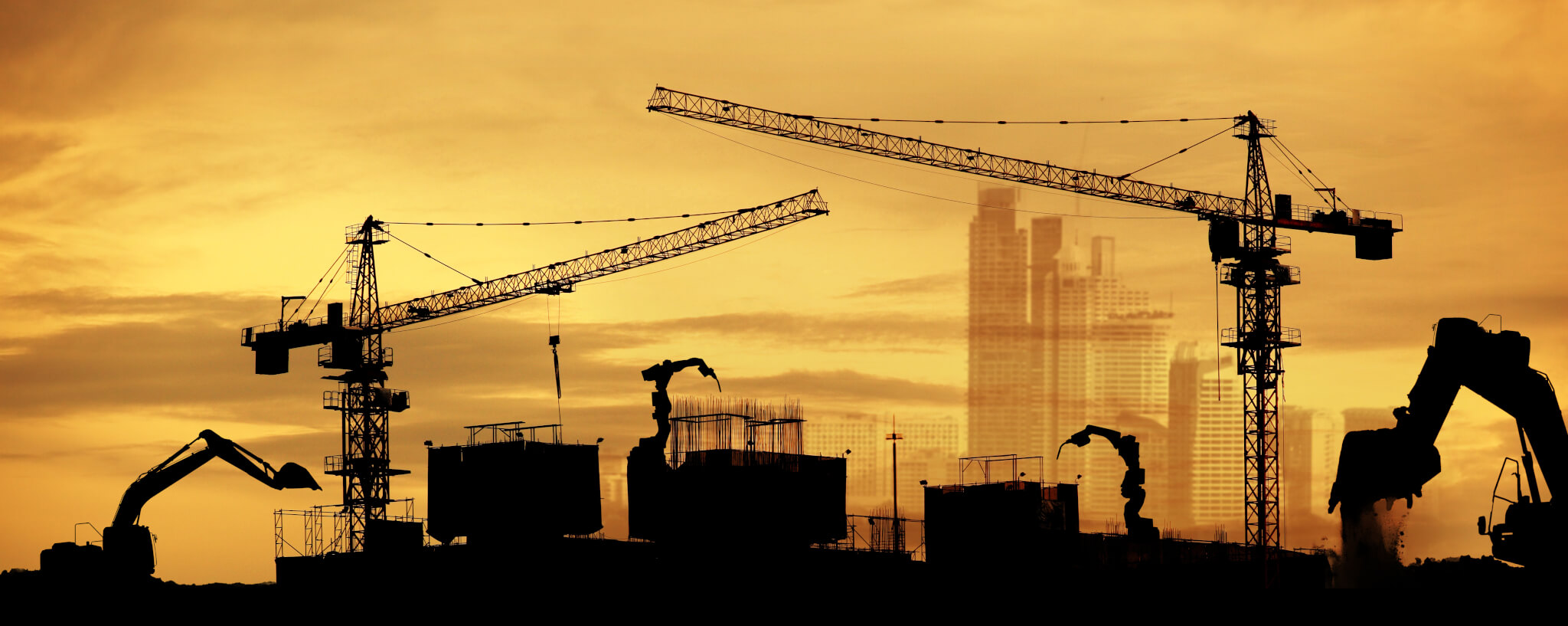
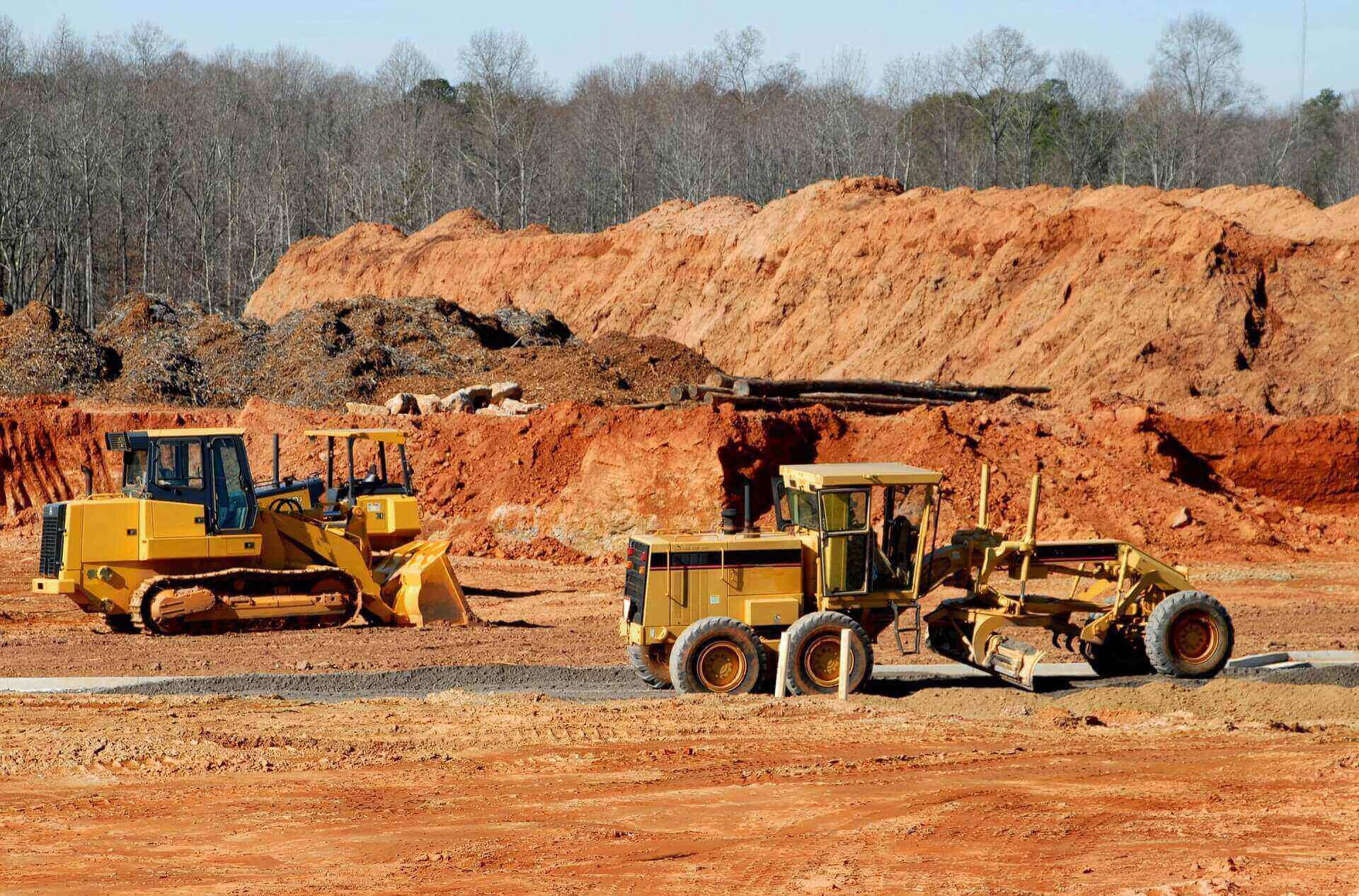
This network is opening with a wager. The wager is that the worksite, the materials, the supply chains, and the social relations of construction are not background conditions for design — they are what design actually consists of, distributed across many hands and many sites. From here, our editorial work begins.
What the next year looks like
Over the next twelve months we will publish twelve issues of the newsletter, each anchored by an essay and a working-group dispatch. Subgroups (Her Know How, Production Pedagogies, and others as they take shape) will run their own session calendars and contribute reports. The events page consolidates everything in one calendar. The first issue lands in two weeks.
If you want to write, propose a session, host a reading group, or argue with an article — the contact page is the door.

4 responses to “Toward a field of Production Studies”
Strong opening. The phrase “design as command” does a lot of work here — worth a longer essay on its own. Will the network commission one?
I would push back, gently, on the framing of “displacement” — it suggests something was once present and got moved. Many architectural cultures never had labour at the centre of their self-understanding. The displacement is constitutive, not a recent slip.
Reading from a UK site office. The vocabulary in this piece is academic, but the diagnosis is recognisable. We see this gap every day on tender drawings vs. what gets built. Glad to see something written that takes that gap seriously.
For the next issue: I would like to read on procurement. The labour question runs through procurement decisions in ways the design discourse never quite catches.